
Annett Cotte
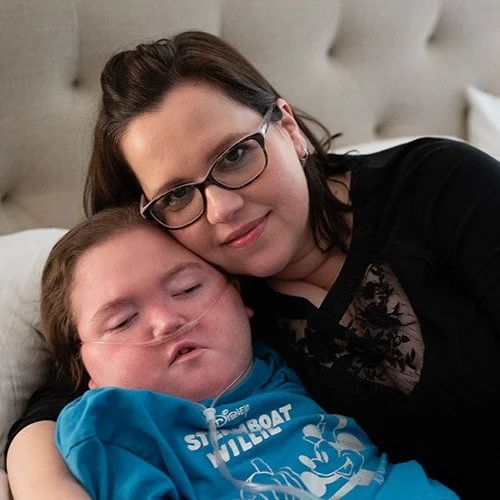
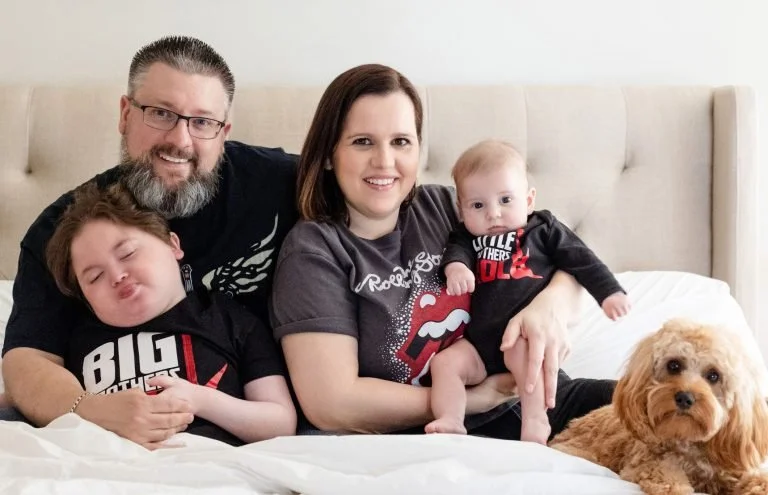
Annett first heard about Life House Atlanta through her son Jagger’s amazing hospice nurse, Lanise Shortell. Jagger was born with a severe form of mitochondrial disease called Leigh’s Disease. He was diagnosed at 1 year of age and was given a very short life expectancy. Jagger lived to 13 years of age, far longer than any of us could have imagined. Jagger was dependent on others in every aspect of his live. He suffered from seizures, respiratory failure, and chronic lung disease. Jagger was unable to walk or talk and spent most of his days in bed, requiring round-the-clock care. Both Annett and Sebastien sacrificed their lives to care for Jagger day and night without any nursing while maintaining full-time jobs. There weren’t many options available for respite care. Jagger was their universe, so they rearranged their lives and priorities to give Jagger the best life possible despite all the challenges.
Annett earned her B.A degree in Anthropology and Biology from New College of Florida, and her Master of Public Health in International Health from Emory University Rollins School of Public Health. Annett has been working as a Health Scientist at the Centers for Disease Control and Prevention in Atlanta, Georgia, since 2005, specializing in the prevention and control of malaria in Sub-Saharan Africa and Asia. Annett supports malaria projects in many African countries, including Madagascar, one of her favorite places on this planet. She started at CDC working on a project studying the effectiveness of sulfadoxine-pyrimethamine in preventing malaria during pregnancy in Burkina Faso.
Through Jagger, Annett became involved with the mitochondrial disease foundation and served on a patient-focused drug development panel to educate representatives from the FDA and NIH on the burden of mitochondrial disease and the need for medicines to combat and cure it.
Cuddling with Jagger while listening to Frank Sinatra tunes was her favorite thing to do. “We miss Jagger tremendously, and we know that if he were still alive today, he would greatly benefit from Life House Atlanta, as it would offer additional supportive care for him as well as balance and relief for our family. Caring for someone with special needs who needs round-the-clock care is exhausting. We didn’t sleep, or if we did, it was irregular. The same goes for eating. Extracurricular activities and personal wellness are put on hold. You go into survival mode. Exhaustion takes over, and physical and mental well-being are not a priority.”